

In contemporary architecture and interior design, aluminum ceilings have become a go-to solution for homeowners, business owners, and architects alike. Combining strength, style, and sustainability, these ceilings outperform traditional materials in multiple aspects. This guide explores everything you need to know about aluminum ceilings—from their core benefits to practical applications and FAQs.
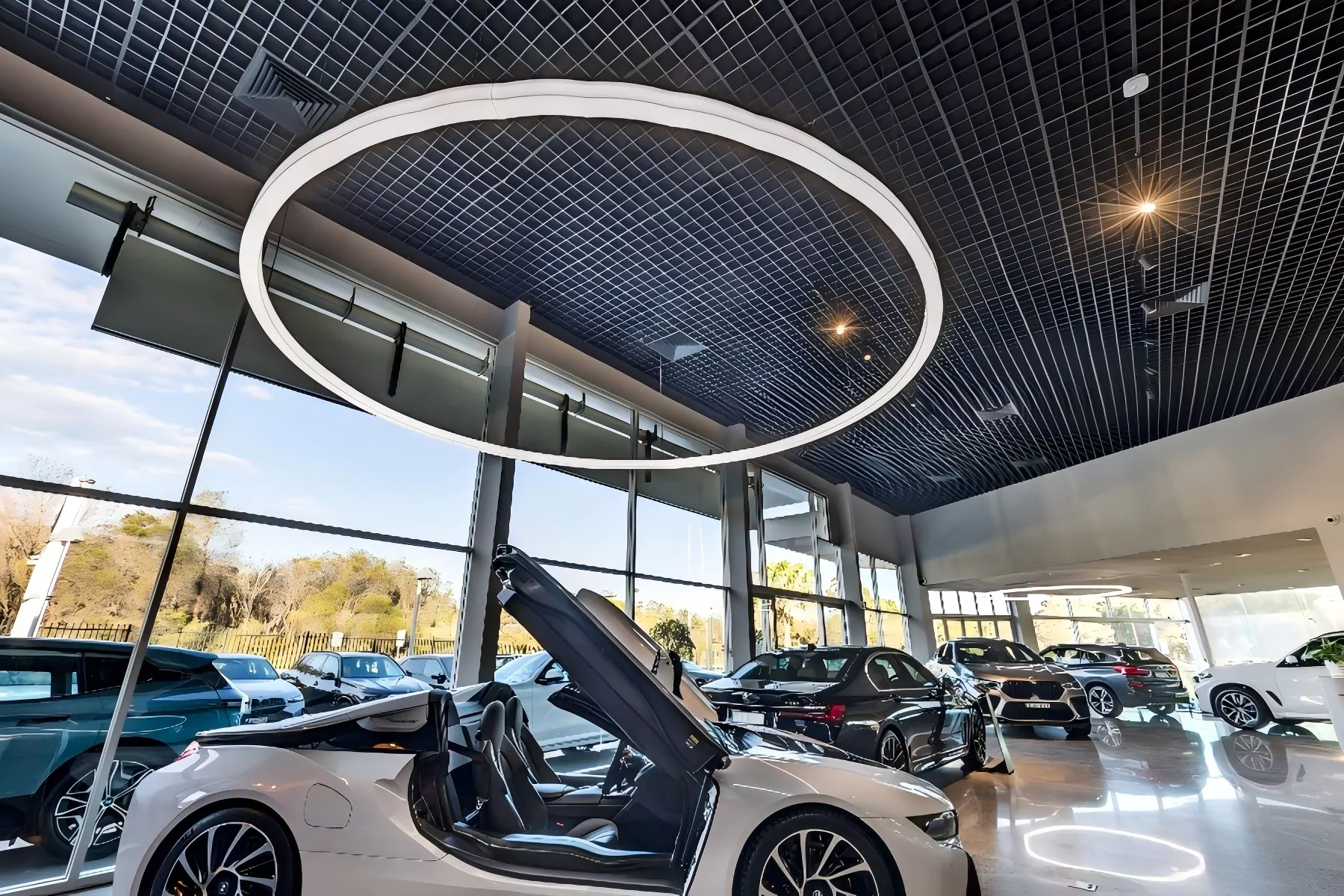
Key Advantages of Aluminum Ceilings
Aluminum ceilings stand out in the construction industry due to their unique combination of functional and aesthetic benefits. Below are the most notable advantages that drive their growing popularity.
Exceptional Durability & Low Maintenance
Aluminum is inherently resistant to corrosion, moisture, and rust, making it ideal for both indoor and outdoor use. Unlike wood (prone to warping and rot) or steel (requires anti-rust treatments), aluminum ceilings maintain their structure and appearance for 20+ years with minimal upkeep. Regular dusting or occasional wiping is sufficient to keep them in top condition, reducing long-term maintenance costs.
Design Versatility for Every Space
Manufacturers offer a diverse range of aluminum ceiling styles to suit any design vision:
- Suspended grid systems: Perfect for offices and commercial buildings, allowing easy access to utilities above.
- Perforated panels: Enhance acoustic performance in auditoriums, airports, and open-plan offices by absorbing sound waves.
- Linear slats: Add a modern, sleek look to lobbies, retail stores, and residential living rooms.
- Custom modules: Enable curved, angular, or unique shapes for iconic buildings and creative spaces.
Aluminum’s malleability also allows for customization in color, finish (matte, glossy, textured), and size.
Eco-Friendly & Sustainable
Aluminum is one of the most recyclable materials globally, with a recycling rate of over 90% in construction. Recycled aluminum uses only 5% of the energy required to produce virgin aluminum, cutting carbon emissions significantly. Many aluminum ceiling products are made from post-consumer or post-industrial recycled content, aligning with LEED and other green building certifications. Additionally, their lightweight design reduces transportation fuel consumption and installation energy use.
Easy Installation & Practicality
Aluminum ceiling panels are lightweight, simplifying handling and installation compared to heavy materials like gypsum or concrete. Most systems feature modular, interlocking designs that speed up the construction process—saving time and labor costs. The modular nature also makes repairs hassle-free: damaged panels can be replaced individually without disrupting the entire ceiling, ideal for commercial spaces that need minimal downtime.
Common Applications of Aluminum Ceilings
Aluminum ceilings’ versatility makes them suitable for a wide range of residential, commercial, and outdoor spaces.
Commercial Buildings
- Offices: Suspended aluminum ceilings hide wiring and HVAC systems while improving acoustics.
- Healthcare Facilities: Hygienic, moisture-resistant panels are easy to clean, meeting medical facility standards.
- Retail Stores & Malls: Sleek linear slats or custom designs enhance brand aesthetics and customer experience.
- Airports & Transit Hubs: Durable, low-maintenance panels withstand high foot traffic and frequent cleaning.
Residential Spaces
- Kitchens & Bathrooms: Moisture-resistant panels prevent mold growth, unlike traditional drywall.
- Living Rooms & Bedrooms: Perforated or textured aluminum ceilings add modern flair and improve sound quality.
- Patios & Covered Decks: Weather-resistant outdoor aluminum ceilings withstand rain, sun, and temperature changes.
5 Frequently Asked Questions (FAQs) About Aluminum Ceilings
Q1: Are aluminum ceilings expensive compared to traditional materials?
A1: While the initial cost of aluminum ceilings may be slightly higher than wood or gypsum, they offer long-term savings. Their durability eliminates frequent replacements, and low maintenance reduces ongoing costs. Over 10–15 years, aluminum ceilings are often more cost-effective than traditional materials.
Q2: Can aluminum ceilings be painted or customized?
A2: Yes! Most aluminum ceilings come with pre-finished coatings (powder-coated, anodized, or painted), but they can also be repainted if you want to update the color. Their malleability allows for custom shapes, sizes, and perforation patterns to match specific design needs.
Q3: Do aluminum ceilings provide good insulation?
A3: Aluminum itself is not a strong insulator, but many aluminum ceiling systems can be paired with insulation panels (e.g., fiberglass or foam) to improve thermal efficiency. This combination helps regulate indoor temperatures, reducing heating and cooling costs.
Q4: Are aluminum ceilings safe for homes with children or pets?
A4: Absolutely. Aluminum ceilings are non-toxic, fire-resistant, and do not emit harmful VOCs (volatile organic compounds). They are also shatterproof and stable, posing no risk of splintering (unlike wood) or crumbling (unlike gypsum).
Q5: How long do aluminum ceilings last, and what is their warranty?
A5: With proper installation and minimal maintenance, aluminum ceilings can last 25–30 years or more. Most reputable manufacturers offer warranties ranging from 10–20 years, covering corrosion, finish degradation, and structural defects.
Future Trends in Aluminum Ceiling Design
As the construction industry prioritizes sustainability and smart design, aluminum ceilings are evolving to meet new demands. Emerging trends include:
- Integration with smart systems: Ceilings with built-in LED lighting, motion sensors, or HVAC controls.
- Eco-friendly innovations: Use of 100% recycled aluminum and water-based coatings.
- Multifunctional designs: Panels that combine acoustics, insulation, and air purification.
- Biophilic elements: Aluminum ceilings with natural textures or plant-friendly features for indoor green spaces.
Conclusion
Aluminum ceilings are a versatile, durable, and sustainable choice for modern buildings. Whether you’re renovating a home, designing a commercial space, or planning an outdoor area, they offer a perfect balance of functionality and aesthetics. With their low maintenance, design flexibility, and eco-friendly profile, aluminum ceilings are set to remain a top choice in architecture for years to come.